
Nov. 02, 2026
Reliable electricity is a basic requirement for industrial production, commercial facilities, infrastructure projects, and critical services. When the utility grid is unavailable, unstable, or unable to meet peak demand, a container diesel generator can provide a practical source of backup or primary power.
Unlike a conventional open-type generator set, a containerized diesel generator integrates the generating equipment within a purpose-designed enclosure. Depending on the configuration, the enclosure can help protect equipment from environmental exposure, organize supporting systems, and simplify installation at suitable outdoor sites.
However, not every project requires the same generator configuration. A factory facing occasional power outages has different needs from a remote mining site, a data center, or a temporary infrastructure project. Selecting the right equipment requires an understanding of the operating environment, load characteristics, runtime, installation conditions, and maintenance requirements.
Ahead of Electric Power Tech Korea 2027, XHZ Power Solutions focuses on how container diesel generator solutions can be matched to different project requirements.

Electric Power Tech Korea 2027 is scheduled for May 19–21, 2027, at COEX Hall B in Seoul, South Korea. The exhibition covers power generation, power infrastructure, smart grids, and related electrical technologies.
As power systems become more interconnected and industrial facilities increasingly depend on continuous electricity, project owners need to consider how backup generation fits into their wider power infrastructure. Generator selection is not simply a matter of choosing a particular kVA rating. It also involves load management, system integration, operating conditions, maintenance access, and compliance with applicable requirements.
For contractors, electrical engineering firms, equipment distributors, and industrial buyers, the event provides an opportunity to exchange information about power generation technologies and project-specific needs.
XHZ Power Solutions offers container-type generator sets as part of its wider power generation portfolio. Its product range also includes diesel generator sets, gas generator sets, mobile generators, lighting towers, and parallel synchronizing systems. The appropriate solution depends on the project specification and the configuration confirmed by the manufacturer.
A container diesel generator is often considered when a project requires a packaged generating system, a dedicated outdoor installation, or equipment designed for extended operation in a defined location. The enclosure and internal layout should be selected according to the engine, alternator, ventilation requirements, access needs, and site conditions.
Manufacturing plants may need backup electricity to protect production schedules, support essential machinery, and reduce disruption during grid outages. Some facilities also require additional generation capacity during periods of high demand or while electrical infrastructure is being upgraded.
For these applications, buyers should calculate the demand of essential loads separately from the total installed equipment capacity. Motors, compressors, pumps, and other inductive loads can create starting demands that differ significantly from their normal running loads.
A suitable container diesel generator should be assessed for its ability to handle the expected load profile, voltage and frequency requirements, and starting characteristics of major equipment. If the plant must operate during an outage, the transfer arrangement and the sequence in which loads are restored should also be considered.
Data centers and other critical facilities depend on carefully coordinated backup power systems. A generator is only one part of that system: UPS equipment, transfer switches, distribution systems, protection devices, and the facility’s operating procedures all affect the final design.
For these applications, buyers should evaluate generator starting time, load acceptance, transient voltage and frequency response, redundancy requirements, and compatibility with the overall electrical architecture. The selected generator must meet the facility’s engineering specifications rather than relying on its nominal output rating alone.
Commissioning plans should include the tests required by the project, such as functional checks, transfer sequence verification, and load testing under agreed conditions.
Remote sites may have limited grid access and longer travel times for maintenance personnel. They can also experience dust, temperature variations, difficult transport routes, and demanding operating schedules.
For these projects, selection should account for site altitude, ambient temperature, ventilation, cooling performance, fuel storage, service access, and the availability of replacement parts. If the generator will operate as a prime power source, its continuous operating profile and maintenance intervals deserve particular attention.
The container arrangement should also be checked against site access and lifting requirements. Buyers should confirm the overall dimensions, lifting points, transport weight, foundation requirements, and access space needed for maintenance before shipment.
Hospitals, commercial complexes, public facilities, and infrastructure installations may require standby power for selected essential loads. In these cases, the generator must be coordinated with the building’s emergency power design and applicable local regulations.
The first step is to identify which loads must remain operational during a power interruption. Emergency lighting, essential pumps, communications equipment, safety systems, and other critical loads may have different priorities and starting characteristics.
The required generator capacity should therefore be based on the agreed emergency load schedule, not simply the total electrical capacity of the building.
A technically suitable generator starts with accurate project information. The following parameters help manufacturers evaluate the application and propose an appropriate configuration.
Provide the required power in kW or kVA and explain whether the unit will serve as standby, prime, or continuous power. These ratings are not interchangeable: allowable output and operating conditions depend on the applicable rating standard and the manufacturer’s specifications.
If the generator will support several large motors or variable loads, include the starting method and expected load sequence. This helps the engineering team assess transient performance and avoid selecting equipment based only on steady-state demand.
Specify the required output voltage, frequency, number of phases, and any relevant power factor assumptions. Confirm the destination country and the electrical requirements of the connected equipment.
For projects in South Korea, buyers should confirm the project’s required electrical configuration and applicable regulatory requirements with the responsible electrical engineer. Do not assume that a generator configured for another market will automatically meet the site’s needs.
Explain how often the generator will operate, the expected number of hours per day, the typical load level, and any periods of peak demand.
A unit used only during grid outages may require a different rating and maintenance plan from one expected to supply power for long operating periods. Where the load changes substantially throughout the day, a load profile can help the manufacturer assess the appropriate capacity and operating strategy.
Provide the installation location, ambient temperature range, site altitude, ventilation conditions, exposure to dust or corrosive environments, and any applicable noise limits.
Also identify whether the equipment will be installed outdoors, in an industrial compound, or at a remote site. The manufacturer should confirm the enclosure design, cooling and airflow arrangement, access panels, exhaust routing, and other relevant details for the actual installation.
A container enclosure does not automatically make a generator suitable for every outdoor environment. Its suitability depends on the design, the installation, and the specified environmental conditions.
Diesel fuel quality, storage capacity, refueling arrangements, and expected runtime all affect project planning. Buyers should provide their required operating duration and discuss the proposed fuel system with the supplier.
Maintenance access is equally important. The final layout should allow technicians to reach service points, replace filters, inspect components, and perform scheduled maintenance safely. For remote installations, confirm the recommended spare parts, service intervals, and availability of technical support before ordering.

A quotation and product brochure are useful starting points, but they do not independently prove that a generator will meet the requirements of a particular site. Buyers should verify suitability through technical documentation, configuration review, and agreed testing.
Review the technical datasheet. Confirm the model, rated output, operating rating, voltage, frequency, engine, alternator, control system, dimensions, weight, fuel consumption data at specified loads, and other required parameters. Ensure the information relates to the actual proposed configuration.
Check the enclosure and installation layout. Request drawings showing overall dimensions, access doors, ventilation openings, exhaust arrangements, lifting points, and maintenance clearances. Compare them with the available installation area and transport restrictions.
Confirm the electrical and control interfaces. Verify the required transfer switch arrangement, protection functions, monitoring interfaces, and any synchronization or parallel operation requirements. Optional functions should be explicitly listed in the quotation or technical agreement.
Agree on factory inspection and testing. Ask which tests are included before shipment and request the applicable inspection or load-test documentation. Define the acceptance criteria in advance, including the test conditions and required records.
Verify certification and compliance. Request current certificates and technical documents relevant to the product and destination market. Confirm the scope, validity, issuing entity, and whether additional local approvals or inspections are required.
Confirm after-sales arrangements. Clarify warranty coverage, commissioning responsibilities, troubleshooting channels, spare-parts supply, and service availability at the installation location.
These checks create a clear basis for comparing supplier proposals and reducing the risk of receiving equipment that does not match the project’s actual needs.
XHZ Power Solutions supplies generator sets for industrial, commercial, construction, telecommunications, mining, and infrastructure applications. Its published product portfolio includes container-type generator sets, diesel generator sets, gas generator sets, mobile generator sets, and parallel synchronizing systems.
The company identifies component brands such as Cummins, Perkins, Volvo, MTU, Weichai, Yuchai, Stamford, and Leroy-Somer among its supply partners. The actual engine and alternator selection depends on the chosen model and the confirmed project specification.
XHZ also describes OEM and customization services for buyers with specific technical or branding requirements. For container diesel generator projects, purchasers can discuss power output, electrical configuration, enclosure design, control options, installation conditions, and required documentation with the company.
Rather than choosing a model based only on a product image or advertised capacity, buyers should submit a clear technical brief. This allows the supplier to evaluate the application and identify which requirements can be met by a standard configuration and which may require additional engineering.
The company also reports an international dealer and distributor network. Buyers should confirm the actual service coverage and applicable support arrangements for their destination before placing an order.
Electric Power Tech Korea 2027 will bring together participants involved in power generation and electrical infrastructure in Seoul from May 19 to 21, 2027.
For engineering contractors, industrial buyers, project developers, and equipment distributors, the key question is how to match a generating system to the real operating environment. A container diesel generator should be selected around load demand, operating duration, site conditions, electrical integration, inspection requirements, and long-term maintenance.
XHZ Power Solutions can discuss container-type generator options as part of its wider power generation portfolio. Prospective buyers should contact the company to confirm its event participation, booth details, and meeting arrangements before making travel plans.
A container diesel generator integrates the generating equipment within an enclosure designed for the selected configuration. Depending on the design, it can help organize equipment, provide environmental protection, and support outdoor installation. Its suitability depends on cooling, ventilation, access, site conditions, and the project specification.
Start with the essential connected loads, their running demand, motor starting characteristics, expected simultaneous operation, and any future capacity requirements. Confirm the proposed capacity with a qualified electrical engineer and the generator manufacturer, taking account of the applicable power rating and site conditions.
Customization may be available for power output, engine and alternator selection, voltage, frequency, enclosure layout, controls, and other project requirements. Options depend on the model and engineering feasibility. Ask the manufacturer to confirm the final configuration in writing.
Review the technical datasheet, engine and alternator details, enclosure drawings, applicable certificates, control and wiring documentation, inspection and test records, warranty terms, and maintenance recommendations. The required documents should be agreed according to the project and destination market.
Some generator sets can be specified for prime or continuous operation, while others are intended for standby use. Suitability depends on the unit’s declared rating, load profile, maintenance requirements, and operating environment. Buyers should verify the exact rating and limits for the proposed model rather than assuming every containerized generator is suitable for continuous duty.
If you are planning an industrial power project, a critical-facility backup system, or a remote installation, prepare the required power output, voltage, frequency, load profile, operating hours, site conditions, and destination information.
XHZ Power Solutions can review these details and discuss available container diesel generator configurations, subject to technical confirmation. A clear specification helps establish whether the proposed equipment is suitable before manufacturing, shipment, and installation.
Explore the company’s generator product range or contact XHZ Power Solutions to discuss your project requirements.
Mar. 30, 2026
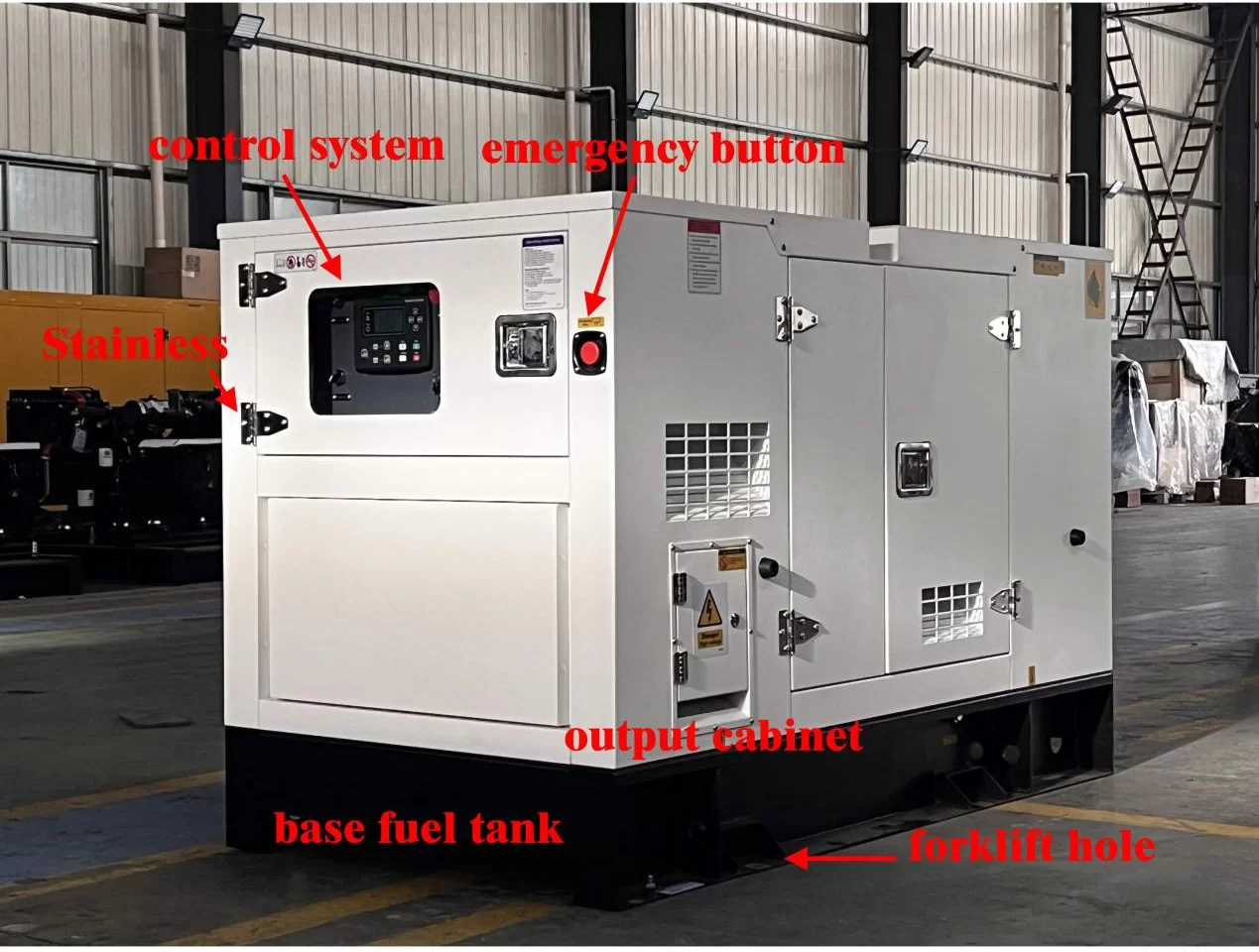
Product Description Of Xhz Silent Intelligent Generator Set
The XHZ silent intelligent generator set is equipped with advanced N/V/H integrated optimization design technology (Noise, Vibration, and Harshness), and incorporates novel high-efficiency sound-absorbing materials to construct a multi-layered noise reduction protective structure.

Nov. 12, 2026
Guide to Understanding Industrial Diesel Generator Price Factors

Aug. 10, 2026
High Capacity 1000kva Generator for Industrial Power Solutions

Nov. 02, 2026
Diesel Engine Generator Set FAQ: Integration, Parts Requests and Maintenance

Sep. 05, 2026
Industrial 100kw generator price and cost analysis guide
Mar. 30, 2026
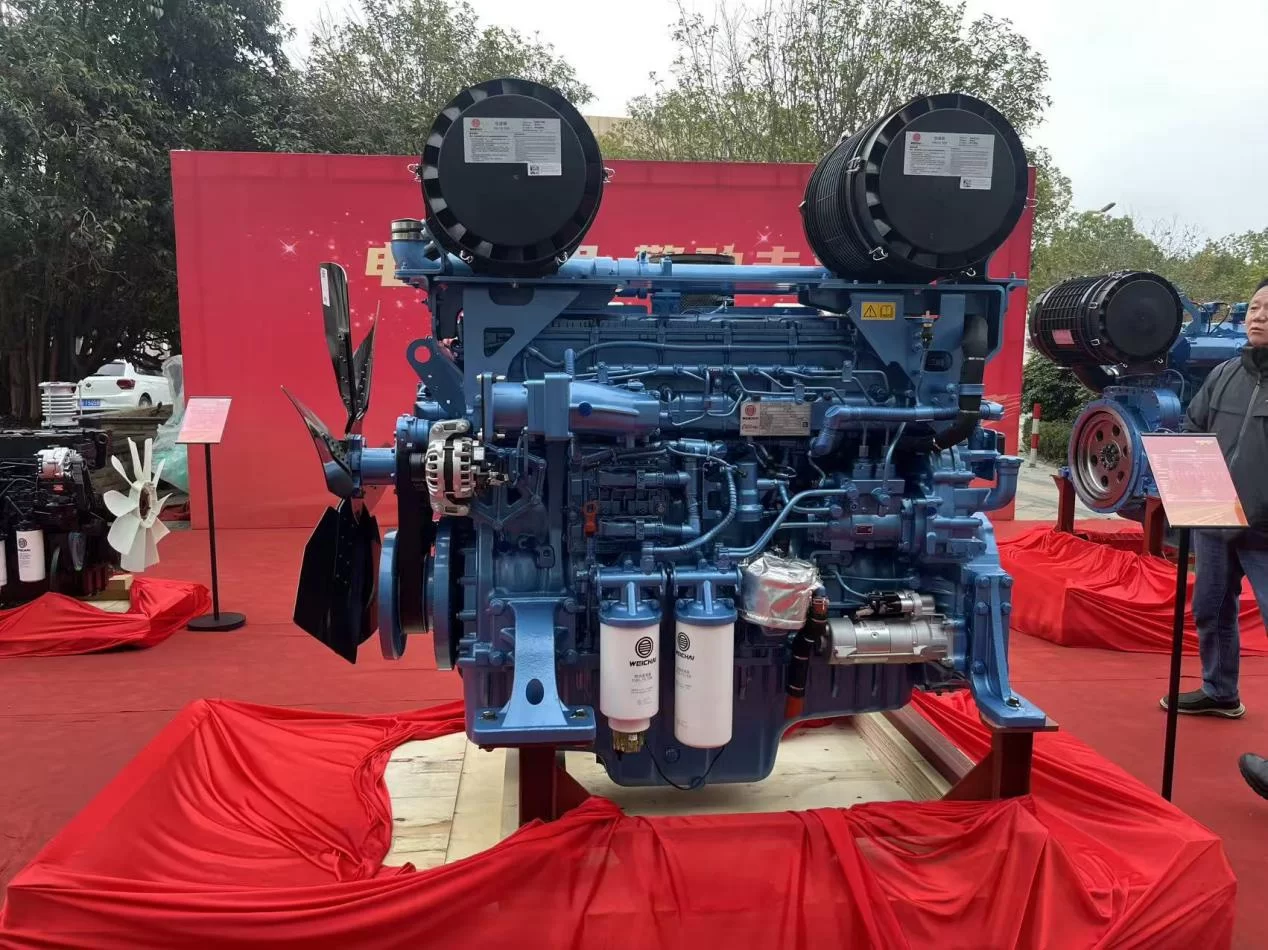
XHZ POWER, In Close Collaboration With Weichai, Has Launched A New Generator Set
XHZ POWER utilizes the new Weichai 6M31 series engine. The core new features of the Weichai 6M31 series (dedicated for power generation) include high power density, extreme compactness, strong transient response, autonomous ECU, high efficiency and low consumption, and high reliability.
Looking For a Reliable Generator Supplier?


